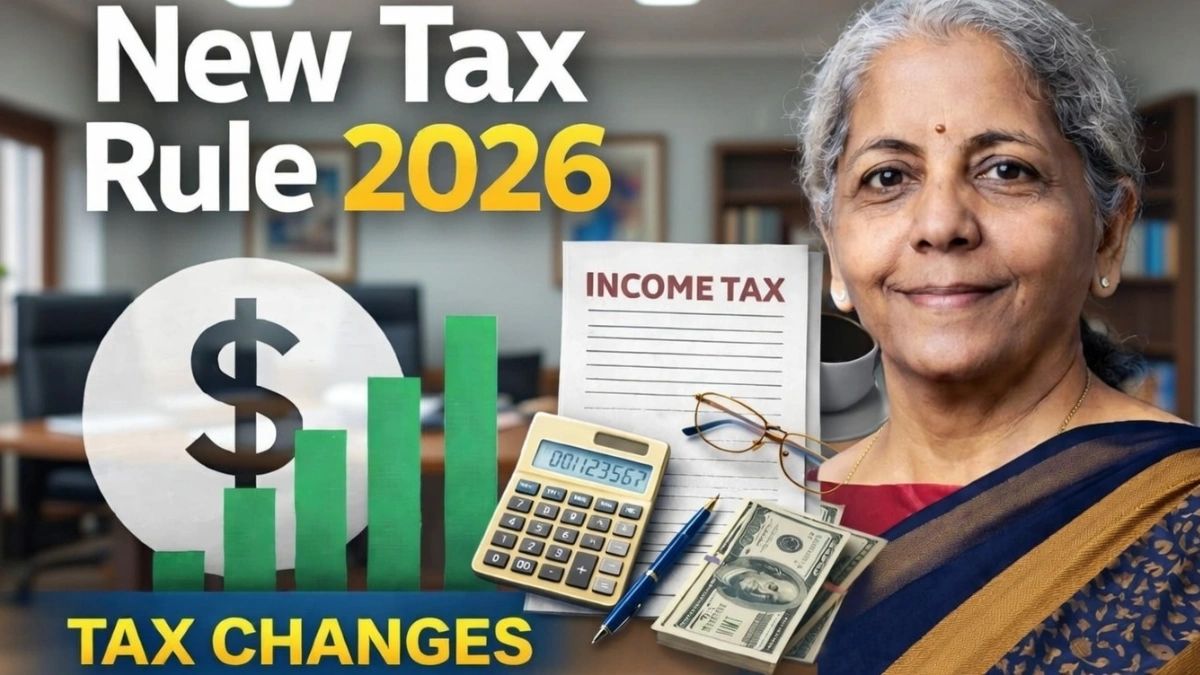
Income Tax Framework Reset for 2026:India’s income tax system has received significant updates for 2026, aiming to make taxation simpler, more predictable, and aligned with financial planning goals. The new framework focuses on clearer salary taxation, smoother Income Tax Return (ITR) filing, and a shift toward disciplined, goal-based tax saving. These changes are intended to reduce confusion, cut compliance stress, and enable taxpayers to make informed decisions without last-minute rushes.
Predictable Salary Taxation for Employees
For salaried individuals, the 2026 rules make estimating take-home pay easier. Tax slabs are now structured to increase gradually across income levels, avoiding sudden jumps in tax liability. Standard deductions continue to reduce taxable income, and salary components are defined more clearly to prevent disputes during filing.
Employers are expected to provide more accurate pre-filled salary data, which lowers the chances of mismatches during ITR submission. This helps first-time taxpayers file confidently and reduces the likelihood of notices or corrections later.

Choosing the Right Tax Regime
The choice between the new and traditional tax regimes remains crucial in 2026. The new regime offers lower headline rates but fewer exemptions, while the traditional regime allows deductions and exemptions for long-term planning. The best option depends on factors like income type, housing loans, and savings habits.
Taxpayers who save consistently for long-term goals may still benefit from deductions under the traditional regime. In contrast, those seeking simplicity and higher monthly cash flow might prefer the lower-rate structure. Comparing both options annually before filing is now essential to maximize benefits.
Simplified and Faster ITR Filing
ITR filing has become more automated, reducing manual effort and errors. Income details from salaries, bank interest, and other reported sources are pre-filled, allowing taxpayers to verify and submit returns quickly. Real-time validation checks guide filers to correct inconsistencies before submission, and accurate filings lead to faster refund processing.
यह भी पढ़े:
 Bank Working Hours Set for Revision: Customers to See Changes in Branch Timings After RBI Review
Linking bank accounts and verifying identity details correctly further streamlines the refund process. For middle-income earners and young professionals, this simplification builds confidence and makes compliance less stressful.
Goal-Based Tax Saving
The 2026 rules encourage taxpayers to align their tax-saving strategies with real financial goals rather than last-minute investments. Long-term savings instruments, insurance, and eligible home loan benefits continue to provide relief. Health and medical provisions remain relevant due to rising healthcare costs.
Instead of waiting until March to save for tax benefits, the focus is now on year-round planning. Early and consistent investments help taxpayers meet both financial and compliance goals efficiently.
यह भी पढ़े:
 LIC Introduces High-Interest FD Scheme for Secure Investing in 2026 :LIC High Interest FD Scheme
Benefits for Middle-Income and Young Taxpayers
Middle-income families gain the most from smoother tax slabs and clearer filing rules. Predictable liabilities help with budgeting, loan planning, and investment decisions. Young professionals entering the tax system benefit from simplified forms and accurate pre-filled information, fostering financial literacy and compliance confidence early in their careers.
Accuracy and Compliance
Technology-led compliance makes accurate reporting more important than ever. Matching pre-filled data, maintaining proper documents, and timely filing reduce the risk of notices or penalties. The Income Tax Department continues to focus on transparency and improving taxpayer experience while enforcing rules consistently.
Preparing for the 2026 Tax Year
Taxpayers should start planning early by reviewing salary structures, assessing which tax regime suits them best, and scheduling savings in advance. Verifying PAN-Aadhaar linkage, bank details, and employer reporting avoids last-minute delays. Using official calculators and updates ensures decisions are based on the latest rules rather than outdated assumptions.
यह भी पढ़े:
 2026 EPFO Pension Rules Explained: Private Job Holders With 15 Years Service Eligible For Benefits
Early preparation not only simplifies compliance but also maximizes tax efficiency and savings throughout the year.
The 2026 income tax updates make India’s tax system simpler, more predictable, and aligned with long-term financial planning. Clearer salary taxation, smoother ITR filing, and goal-oriented tax saving provide taxpayers with tools to manage liabilities effectively. Staying informed, planning ahead, and filing accurately are key to making the most of these changes.
Disclaimer
This article is for informational purposes only and does not constitute tax advice. Tax rules, slabs, and deductions are subject to official government notifications. Taxpayers should consult authorized government updates or a qualified tax professional for personalized guidance.